
Language Learning Paths: Immersion, Classroom Study, and Blended Fluency
Aus OriginalquellenMit KI aus den Quellen des Creators erstellt. Wie Capxule KI einsetzt

Über diese Kapsel
Immersion gets the glory, yet classroom learners often out-read and out-write those who moved abroad. These methods split on whether immersion's speaking fluency, the classroom's structured foundation, or a deliberate blend of both wins for your goals. Knowing what each is genuinely good at saves years of misdirected effort.
3 key points in language learning debate
Comparative effectiveness of two approaches.
Factual overview of language resources.
Access restrictions to language learning studies.
Frag zum Beispiel: „Why were some language-learning study sources not directly usable?“
Allgemeine KI vs. KI mit dieser Kapsel
Vorschau“I'm trying to decide between doing a language immersion program abroad or sticking with classroom study — which one is actually better for becoming fluent faster?”
Allgemeine KI
“For becoming fluent faster, a good immersion program abroad is usually better than classroom-only study—but only if you actively use the language every day and the program has structure. Immersion is not automatically effective if you mostly socialize in your native language or stay in an “international student bubble.”
Why immersion often works faster
Immersion gives you:
- Massive exposure to real speech, accents, slang, and cultural context
- Daily pressure to communicate, which builds fluency and confidence
- Faster improvement in listening and speaking
- More chances to learn phrases naturally instead of translating from your first language
If your goal is practical fluency—understanding people, responding quickly, handling daily life—immersion has a big advantage.
Why classroom study can still be better in some cases
Classroom study is often better for: -...”
Diese Kapsel
“Immersion wins for spoken fluency faster — but only if it is active, social, and mostly target-language-only. In one 2025 comparison, immersive learners improved far more in speaking and listening than conventional ESL learners, with huge effect sizes: Cohen’s d = 3.32 for speaking and 1.79 for listening. But the twist: classroom learners did better in reading and writing — d = -1.28 for reading and -1.13 for writing — and classroom/home-study learners often match or beat study-abroad learners in grammatical accuracy.
So the real answer is:
If “fluent” means speaking comfortably: choose immersion
Immersion is better for:
- spontaneous speaking
- listening at native speed
- pronunciation and rhythm
- confidence
- cultural/pragmatic language
- thinking in the language instead of translating
Study abroad learners often gain fluency bec...”
Language Learning Paths: Immersion, Classroom Study, and Blended Fluency
Capxule Education
Profil ansehen
Ähnlich in Bildung

Pass the New Jersey Driver License Knowledge Test
An AI study companion built from the official New Jersey Driver Manual. Learn New Jersey speed limits, GDL rules, point values, and signs, then practice with explained questions for the MVC knowledge test.

An Educator's Guide to Spaced and Retrieval Practice
Much of what schools and parents assume about learning, including learning styles, doesn't survive testing. These strategies center on what does: spacing practice over time, recalling material instead of rereading it, and lesson designs backed by experiments. Comparing them shows where to put effort so kids actually remember what they learn.

Adult Language Learning: Critical Periods, Brain Plasticity, and Teaching
Adult language learning sits at the intersection of critical period research, brain plasticity, and classroom practice. This overview explains what neuroscience suggests about age-related advantages and limits, how adults can still develop strong language skills, and how teaching can adapt for children and adult learners.
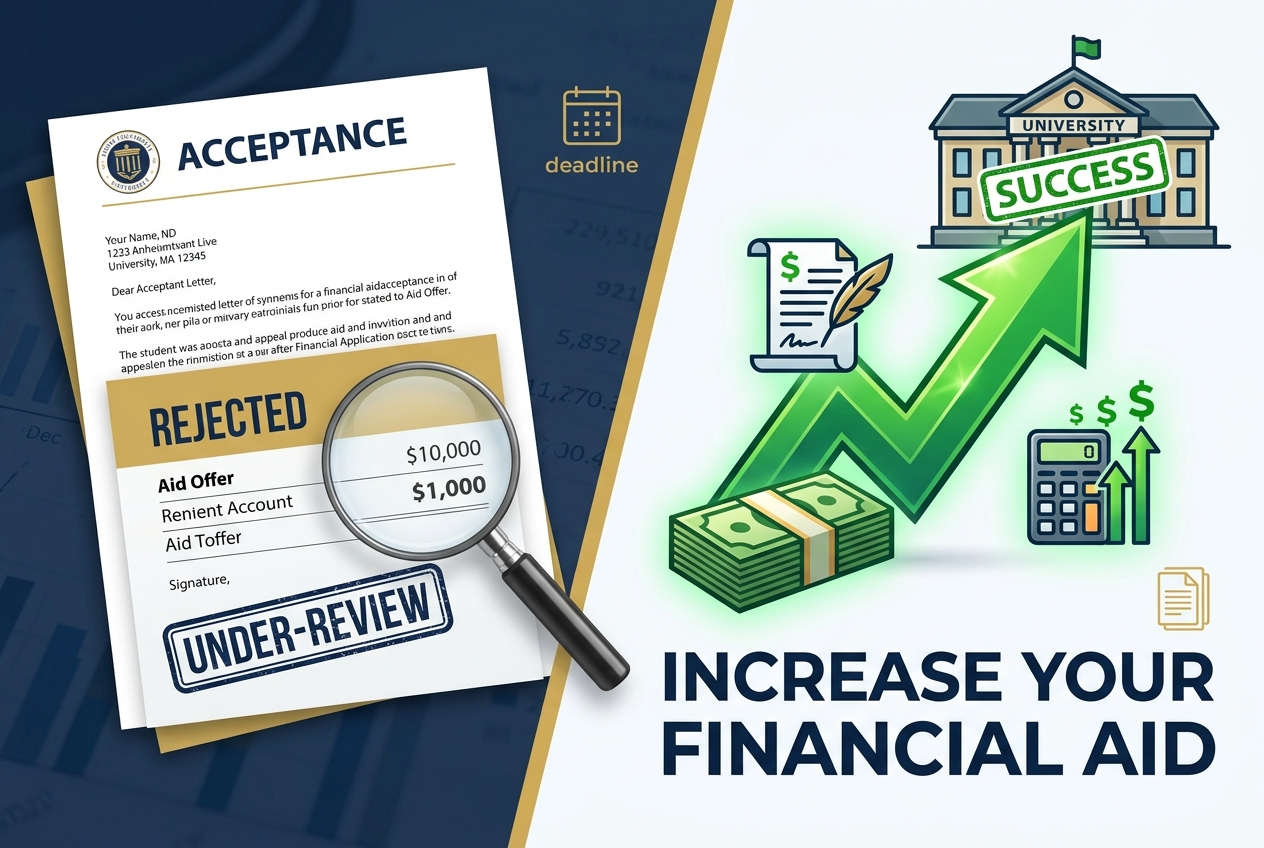
Win More Financial Aid Support Before Enrollment
You will learn how to effectively request a reconsideration of your financial aid offer by identifying special circumstances such as job loss or medical expenses not reflected in your FAFSA. You will work through drafting a clear, well-documented appeal letter that explains your changed financial situation and includes specific numbers and supporting evidence. By the end, you will be prepared to submit a compelling appeal that increases your chances of securing additional aid before enrollment deadlines.